
Grass-Fed Beef Scam Exposed
You'll eat healthier and support real farmers by spotting grass-fed beef tricks. The grass-fed beef scam is real and fools many homesteaders like us.
Fellow homesteaders, if you tend your land and raise livestock for clean food, you've likely paid extra for "grass-fed" beef. But hold on—what if most is full of loopholes? Let's dive into the facts and find ways to get true grass-fed meat that fits our self-reliant life.
The Grass-Fed Label Loophole
Most cows start on grass, but finish on grains in feedlots for 3-6 months. The USDA dropped its grass-fed rules in 2016. This lets labels mislead. New guidance exists, but claims like "75% grass-fed" can still confuse. Less than 1% of U.S. beef is truly 100% grass-fed. Over 99% gets grains, despite the package. As homesteaders, we seek meat with better fats and vitamins from grass—but industry tricks us.
Imported Beef Hiding as American
Country of Origin Labeling (COOL) for beef stays repealed since 2015, though bills like the American Beef Labeling Act aim to bring it back. Foreign meat can get repackaged and called "Product of USA," but a 2024 rule tightened this—now it must be born, raised, slaughtered, and processed here. Still, up to 80% of grass-fed beef sold in the U.S. comes from abroad like Australia or Brazil. No full transparency means we might not back local farms. On our homesteads, raising our own cows gives us control.

Did you know fast-food burgers can mix meat from over 100 cows? Big plants blend from many sources, hard to trace.
Tired of these scams? Get real 100% grass-fed beef from White Oak Pastures while we grow our beef: www.whiteoakpastures.com. Support ethical farming and enjoy nutrient-rich meat for your family.
What's Really in Grain-Fed Feed?
Grain-fed cows eat DDGS, a cheap byproduct from ethanol made with GMO corn and glyphosate. It costs about $145-155 per ton in 2025. This lets farms add 600 lbs fast for profit. They mix in limestone, synthetic vitamins, antibiotics like monensin for gain, and beta-agonists for muscle. Even "grass-fed" might have antibiotics unless labeled no. This makes tender, marbled meat from sedentary, sick animals—low in collagen, unlike our pasture-raised.
Feedlot Realities: Tight and Tough
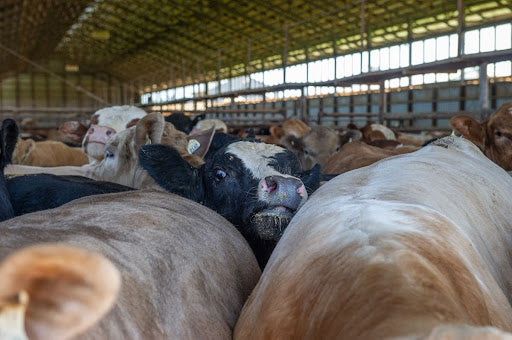
In enclosed feedlots, a 1,500-lb cow gets 20-45 square feet—like six in one parking spot. Open lots offer 150-400 square feet, still cramped. Cows barely move, fattening on junk. Sickness spreads, needing more drugs. Compare to our roaming herds: natural health and flavor.
How to Find True Grass-Fed
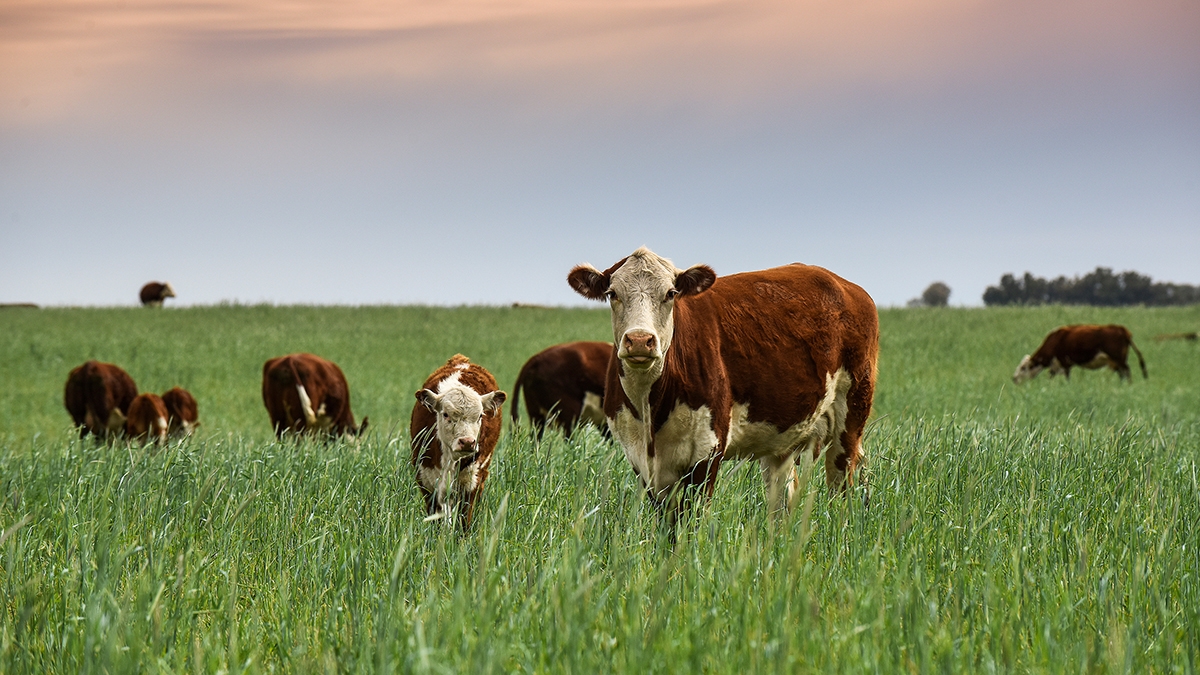
Look for "100% grass-fed" or "grass-finished"—means no grains ever. Skip vague "grass-fed." Spend a bit more to aid small farmers against big ag. Or raise your own: heritage breeds on rotation for collagen-rich, omega-packed beef.
Homesteaders, this wakes us up. Read our prior post, "How to Start Raising Pasture Cattle". It helps with the next step: growing your own food.
Sources:
- https://www.fsis.usda.gov/sites/default/files/media_file/documents/FSIS-GD-2025-0006.pdf
- https://www.youtube.com/watch?v=ReyI4PoAq3k
- https://hometownhillsfarm.com/product-of-usa-meat-label/
- https://nationalaglawcenter.org/usda-finalizes-voluntary-product-of-usa-rule/
- https://1915farm.com/blogs/education/changes-to-product-of-usa-labeling-the-end-of-an-era-of-consumer-deception
- https://sustainableagriculture.net/blog/release-usda-revokes-grass-fed-label-standard/
- https://www.farmprogress.com/livestock/fsis-issues-guidance-on-grass-fed-label
- https://www.facebook.com/whiteoakpastures/posts/mandatory-country-of-origin-labeling-on-beef-was-rescinded-in-2015-and-since-tha/1291060793049143/
- https://nationalaglawcenter.org/overview/cool/
- https://www.foodprint.org/blog/country-of-origin/
- https://www.instagram.com/p/DRzjGqFEQ9Y/
- https://www.facebook.com/kccattlecompany/videos/why-most-grass-fed-beef-isnt-actually-from-the-us/3108002149376281/
- https://www.npr.org/sections/thesalt/2019/08/13/746576239/is-grass-fed-beef-really-better-for-the-planet-heres-the-science
- https://www.brownfieldagnews.com/news/ddg-price-shifts-could-raise-livestock-feed-costs-in-2026/
- https://agebb.missouri.edu/dairy/byprod/listing.php
- https://www.dtnpf.com/agriculture/web/ag/blogs/market-matters-blog/blog-post/2025/10/24/dtn-weekly-ddg-price-slightly-higher
- https://www.rfdtv.com/ddg-prices-move-with-shifts-in-feed-markets
- https://www.facebook.com/farmdoc/posts/explaining-fluctuations-in-ddg-pricesdistillers-dried-grains-ddgs-are-an-importa/1399907201928928/
- https://extension.psu.edu/beef-cattle-spacing-requirements/
- https://www.feedlotmagazine.com/news/feedlot_special/feedlot-pen-space-factors-and-impacts/article_41cc5522-0d2e-11ed-9698-3fe4a58d8247.html
- https://extension.psu.edu/beef-cow-pen-and-bunk-spacing-requirements/
- https://grassrunfarms.com/blog/grass-fed-vs-organic-beef-difference/
- https://watchusgrow.org/2019/10/04/grass-fed-beef-label-definitions/
- https://circlejmeat.com/blog/understanding-beef-labels-grass-fed-organic-natural-more
- https://www.thegoodkitchen.com/blogs/the-good-kitchen-blog/know-your-meat-a-consumers-guide-to-meat-labels-and-certifications-247ebd